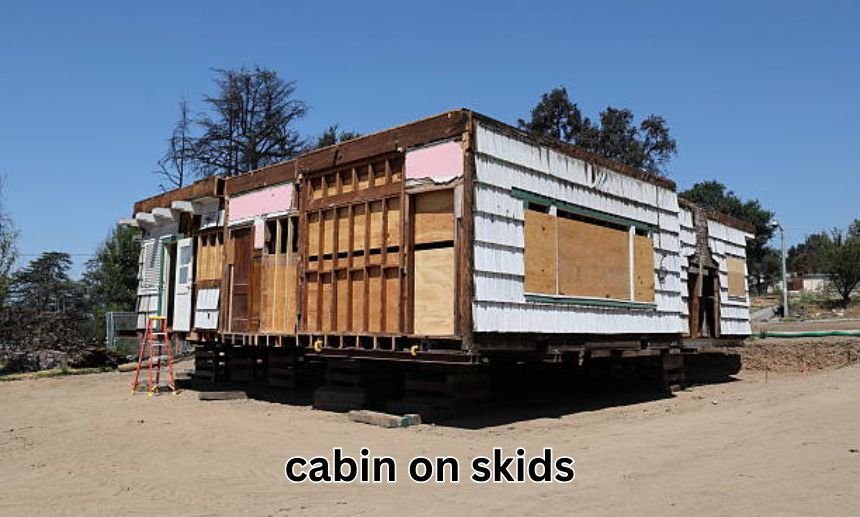

A cabin on skids is more than just a rustic structure placed in the woods—it’s a smart, adaptable solution for people who want simplicity, mobility, and cost-effective construction without sacrificing comfort. Whether used as a hunting cabin, vacation retreat, guest house, or off-grid getaway, cabins on skids have become increasingly popular among landowners and minimal-living enthusiasts.
Unlike traditional cabins built on permanent foundations, a cabin on skids rests on heavy wooden or steel runners that allow it to sit securely on the ground while remaining movable. This unique design opens up a world of possibilities, especially for those seeking flexibility and reduced building complexity.
In this article, we’ll explore what a cabin on skids is, why it’s appealing, how it’s built, its advantages and drawbacks, and whether it might be the right choice for your lifestyle or property.
What Is a Cabin on Skids?
A cabin on skids is a small to medium-sized structure built on long beams—called skids—that run underneath the cabin’s floor system. These skids distribute the weight evenly across the ground and allow the entire cabin to be relocated using heavy equipment such as a tractor or winch.
Because it does not require a permanent foundation, this type of cabin is often classified differently under local building codes. In many areas, cabins on skids are considered temporary or movable structures, which can simplify permitting and zoning requirements.
Cabins on skids are commonly found in rural areas, forests, mountains, and remote properties where pouring concrete foundations may be impractical or expensive.
Why Cabins on Skids Are Growing in Popularity
The rising interest in cabins on skids is driven by a mix of lifestyle changes and practical benefits. As more people seek affordable alternatives to traditional housing or second homes, this cabin style offers an appealing middle ground.
One major reason is flexibility. Landowners can place a cabin where it makes sense now and move it later if conditions change. Another factor is affordability. Without the need for excavation or concrete work, overall construction costs are often lower.
Additionally, cabins on skids align well with off-grid living trends. They’re ideal for properties without access to utilities and can be paired with solar panels, rainwater collection, and composting systems.
How a Cabin on Skids Is Built
The construction process of a cabin on skids is relatively straightforward compared to traditional cabins, but careful planning is still essential.
The foundation begins with the skids themselves, usually made from pressure-treated lumber or steel beams. These skids are placed on leveled ground, gravel pads, or concrete blocks to improve drainage and stability.
On top of the skids sits a sturdy floor frame, followed by the walls, roof, and interior finishes. Because the cabin may be moved in the future, builders often reinforce joints and use durable materials that can withstand relocation stress.
Insulation, roofing, windows, and doors are installed much like in any other cabin, making the interior feel just as comfortable as a permanent home.
Benefits of Choosing a Cabin on Skids
A cabin on skids offers several advantages that make it appealing to a wide range of users.
One key benefit is mobility. While not designed for frequent moving, the cabin can be relocated if land ownership changes or if you want to reposition it for better views or sunlight.
Another advantage is reduced site preparation. You don’t need to dig footings or pour concrete, which saves time and money—especially in rocky or uneven terrain.
Cabins on skids are also environmentally friendly. Minimal ground disturbance helps preserve natural landscapes, making them a good choice for eco-conscious builders.
Finally, maintenance can be simpler. With easy access beneath the structure, repairs to plumbing, insulation, or pest prevention are often more manageable.
Potential Drawbacks to Consider
Despite their many benefits, cabins on skids are not perfect for every situation.
Because they lack a permanent foundation, some cabins on skids may feel less stable if not properly anchored or leveled. In areas with strong winds or seismic activity, additional securing methods may be required.
Financing and insurance can also be more challenging. Some lenders and insurers prefer permanent structures, which may limit options for buyers.
Additionally, zoning laws vary widely. While some regions welcome skid-mounted cabins, others may restrict their use as full-time residences. Always check local regulations before building.
Ideal Uses for a Cabin on Skids
Cabins on skids are incredibly versatile and can serve many purposes.
They are commonly used as hunting or fishing cabins, providing shelter in remote locations without permanent construction. Many people also use them as weekend retreats or vacation cabins.
Another popular use is as a guest house or backyard cabin, offering extra living space without major renovation. Creative homeowners even convert cabins on skids into home offices, studios, or rental units.
Because of their portability, these cabins are also ideal for undeveloped land where future plans are still uncertain.
Cabin on Skids vs. Permanent Foundation Cabins
When comparing a cabin on skids to a traditional foundation-based cabin, the choice often comes down to flexibility versus permanence.
A permanent cabin offers long-term stability and may be easier to finance, but it requires more upfront investment and commitment to one location. A cabin on skids, on the other hand, prioritizes adaptability and simplicity.
For those who value mobility, lower costs, and quicker construction, a cabin on skids often makes more sense. For others planning a lifelong residence, a permanent foundation may be the better option.
Cost Considerations and Budget Planning
The cost of building a cabin on skids varies based on size, materials, and finishes, but it’s generally more affordable than traditional cabins.
Savings come from reduced foundation work, shorter construction timelines, and fewer permitting hurdles. However, quality should never be sacrificed. Investing in durable skids, proper insulation, and weather-resistant materials will pay off in the long run.
It’s also wise to budget for site preparation, anchoring systems, and transportation if the cabin will be moved.
Is a Cabin on Skids Right for You?
Choosing a cabin on skids depends on your goals, location, and lifestyle. If you want a flexible, cost-effective structure that blends practicality with rustic charm, this option is hard to beat.
It’s especially suitable for people who value simplicity, off-grid living, or the freedom to adapt their space over time. With thoughtful design and proper planning, a cabin on skids can feel just as welcoming and functional as any traditional cabin.
Conclusion
A cabin on skids represents a modern take on traditional cabin living—one that embraces flexibility, affordability, and minimal impact on the land. From weekend getaways to practical remote shelters, this style of cabin offers a unique solution for those who want freedom without unnecessary complexity.
By understanding its structure, benefits, and limitations, you can decide whether this adaptable housing option fits your needs. As trends continue to shift toward simpler and more flexible living spaces, cabins on skids are likely to remain a popular choice. For more insights like this, you’ll always find practical and forward-thinking ideas shared on Techmetra.