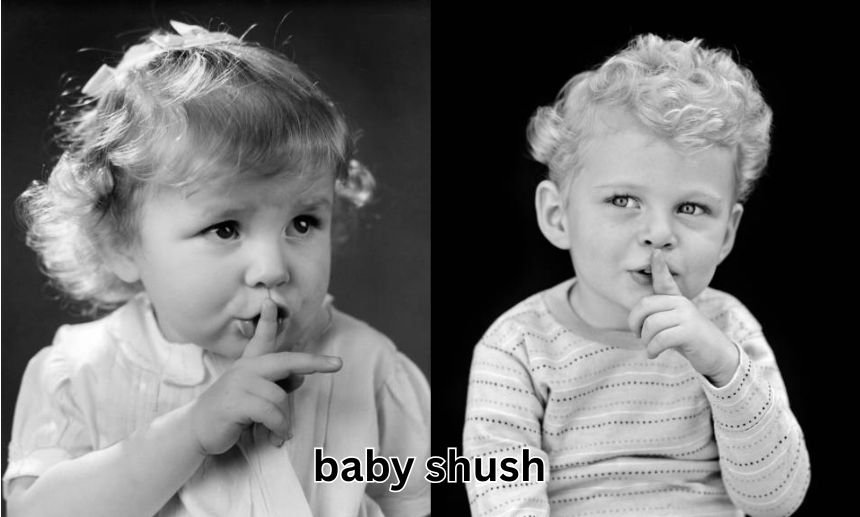

Few things are as stressful for new parents as a crying baby who just won’t settle. You try feeding, rocking, changing diapers, and pacing the room—yet the tears continue. This is where baby shush comes in. Simple, natural, and surprisingly powerful, the baby shush technique has become a trusted calming method for parents around the world. It doesn’t require gadgets, medications, or complicated routines—just an understanding of how babies experience sound and comfort in their earliest months.
In this article, we’ll explore what baby shush really is, why it works so effectively, how to use it correctly, and when it’s most helpful. Whether you’re a first-time parent or simply looking for gentle sleep solutions, understanding baby shush can make those early parenting days much more peaceful.
Understanding the Baby Shush Concept
Baby shush refers to the soothing “shhh” sound made near a baby to help calm crying or encourage sleep. While it may seem overly simple, this sound closely resembles the noises babies hear in the womb. Inside the uterus, babies are surrounded by constant whooshing sounds from blood flow, heartbeat rhythms, and bodily movement. Silence, as we experience it, is actually unfamiliar to newborns.
The baby shush sound recreates that comforting environment. It acts as a form of white noise, blocking out sudden external sounds while signaling safety and familiarity. This is why many infants respond almost instantly when they hear a steady shushing noise.
Why Baby Shush Works So Well for Infants
The effectiveness of baby shush lies in infant biology and psychology. Newborns have immature nervous systems, making them easily overwhelmed by bright lights, loud noises, and sudden changes. Crying is their primary way of communicating discomfort or overstimulation.
The baby shush sound helps in several ways:
- It mimics the constant background noise of the womb
- It reduces sensory overload by drowning out sudden sounds
- It triggers a calming reflex that slows breathing and heart rate
- It reassures babies that they are safe and close to a caregiver
Because of this, baby shush is often effective even when other calming techniques fail.
How to Use the Baby Shush Technique Correctly
Using baby shush isn’t complicated, but doing it properly makes a big difference. The sound should be consistent, gentle, and timed with your baby’s emotional state.
Start by holding your baby close or placing them safely in their crib. Bring your mouth close to their ear—about 6 to 12 inches away—and make a long, steady “shhh” sound. The volume should be slightly louder than your baby’s cry at first, then gradually soften as they begin to relax.
Pairing baby shush with gentle rocking, swaddling, or patting can enhance its effectiveness. The goal is not to startle the baby, but to replace their crying with a calming rhythm.
Baby Shush and Newborn Sleep
One of the most popular uses of baby shush is for sleep. Many babies struggle to fall asleep because they don’t yet know how to self-soothe. Baby shush acts as a bridge, helping them transition from alertness to rest.
During bedtime routines, baby shush can be used as part of a calming sequence—dim lights, soft shushing sounds, and gentle movement. Over time, babies begin to associate the sound with relaxation and sleep, making bedtime easier and less stressful.
Baby shush is especially helpful during nighttime wakings, when overstimulation should be kept to a minimum.
Manual Shushing vs. Baby Shush Sounds
Parents today often wonder whether recorded baby shush sounds are as effective as doing it manually. Both approaches can work, but each has its place.
Manual baby shush allows parents to adjust volume and rhythm in real time, responding directly to the baby’s cues. It also reinforces bonding through presence and voice.
Recorded baby shush sounds or white noise can be useful when parents need hands-free calming, especially during naps or overnight sleep. However, volume control is essential, as sounds should never be too loud or continuous for long periods.
Many parents find success by combining both methods depending on the situation.
When Baby Shush Is Most Effective
Baby shush works best during the first few months of life, when babies are still adjusting to the outside world. It is especially helpful for:
- Newborns who cry frequently
- Babies who struggle with overstimulation
- Infants having trouble falling asleep
- Situations where sudden noise disrupts calm
While older babies may respond differently, many still find comfort in gentle shushing, especially during moments of distress or fatigue.
Common Mistakes to Avoid
Although baby shush is simple, some common mistakes can reduce its effectiveness. Shushing too softly may not override the baby’s crying, while shushing too loudly can be overwhelming. Inconsistent rhythm or stopping too quickly may also cause the baby to become unsettled again.
Another mistake is relying solely on baby shush when other needs—like hunger or discomfort—haven’t been addressed. Baby shush works best when basic needs are already met.
Baby Shush and Emotional Bonding
Beyond calming, baby shush plays a subtle role in emotional bonding. The sound of a parent’s voice, even when wordless, creates a sense of closeness and security. Over time, babies begin to recognize this sound as a signal of comfort and care.
This emotional connection is one reason why baby shush often works better when performed by a caregiver rather than a device alone.
Is Baby Shush Safe?
Yes, baby shush is completely safe when done properly. It involves no physical pressure, chemicals, or invasive techniques. The key is moderation—gentle volume, appropriate duration, and attentiveness to the baby’s response.
If a baby continues to cry intensely despite shushing, it may be a sign of discomfort that requires further attention.
Making Baby Shush Part of Daily Parenting
Many parents naturally incorporate baby shush into daily routines without even realizing it. Whether it’s calming a baby during diaper changes, soothing them before naps, or helping them drift back to sleep at night, baby shush becomes a trusted tool.
Over time, parents develop their own variations—slower rhythms, softer tones, or combined movements that suit their baby’s personality.
Final Thoughts on Baby Shush
Parenting doesn’t always require complex solutions. Sometimes, the simplest methods are the most powerful. Baby shush is a perfect example of how understanding a baby’s natural environment and instincts can lead to effective, gentle care.
By using baby shush thoughtfully and consistently, parents can reduce stress, improve sleep, and strengthen emotional bonds with their child. As shared here on Techmetra, embracing simple, evidence-informed parenting techniques like baby shush can make everyday life with a newborn calmer and more confident.