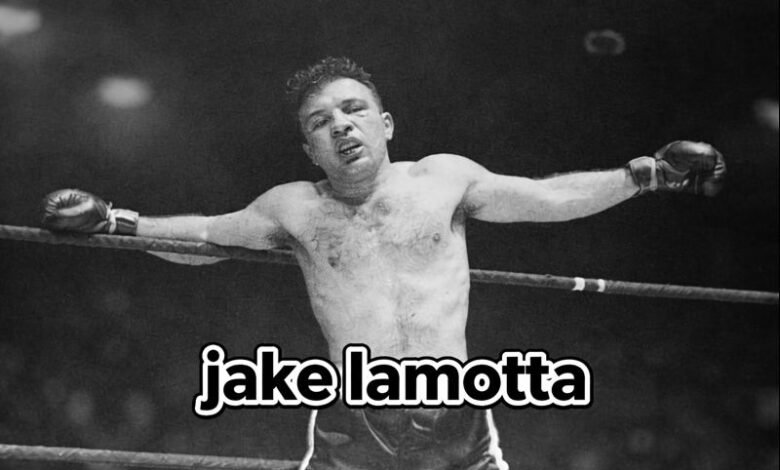
Jake LaMotta, often remembered as The Raging Bull, was one of the most iconic figures in boxing history. Known for his raw aggression, fierce determination, and never-back-down attitude, LaMotta left an indelible mark on the sport of boxing. His career was filled with triumphs, rivalries, and personal battles that made him both a legend in the ring and a complex figure outside it. But LaMotta’s story goes far beyond his victories; it’s about resilience, redemption, and the powerful connection between an athlete and his fans.
In this article, we’ll dive deep into the life of Jake LaMotta, his incredible boxing career, his personal struggles, and the lasting impact he made on the world of sports and pop culture.
The Early Years: From the Bronx to the Ring
Jake LaMotta’s journey began in the Bronx, New York, on July 10, 1921. Growing up in a tough, working-class neighborhood, he faced challenges early on that would shape his future in the boxing ring. LaMotta’s upbringing wasn’t glamorous; it was filled with hardship, poverty, and a relentless fight for survival. His early exposure to street fights and neighborhood brawls sparked his interest in boxing, and by the age of 16, LaMotta was already training in the sport.
Unlike many fighters who focus on speed or technique, LaMotta’s strength was his incredible toughness. His aggressive, come-forward style meant that he took on every opponent with fierce tenacity, often absorbing heavy punches in order to deliver his own. This made him a nightmare for middleweights, and his unyielding nature soon earned him a reputation as one of the hardest hitters in the game.
By 1942, LaMotta was starting to make a name for himself on the national stage. Over the next several years, he would go on to dominate the middleweight division, earning his first big title shot in 1943.
Raging Bull: The Battle for the Middleweight Title
LaMotta’s defining moment came in 1949 when he won the World Middleweight Championship. His opponent, Laurent Dauthuille, was no slouch—yet LaMotta, despite being nearly knocked out in the early rounds, pulled through with sheer determination to win the title. This victory was the culmination of years of hard work and struggle, but it was only the beginning of a legendary career.
One of LaMotta’s most famous rivalries was with the legendary Sugar Ray Robinson. The two fighters met six times between 1942 and 1951, with Robinson emerging victorious in most of their encounters. However, it was LaMotta who famously defeated Robinson in their 1943 fight in what would become one of the most iconic upsets in boxing history. This fight demonstrated LaMotta’s toughness, his ability to withstand incredible punishment, and his refusal to quit.
A Fighter’s Heart: The Personal Struggles
While LaMotta’s success in the ring is what made him famous, his life outside of boxing was fraught with personal turmoil. He was known for his volatile temperament, which often led to conflicts with family, friends, and even fellow boxers. LaMotta’s struggles with anger and his tendency to push people away made his personal life just as chaotic as his boxing career.
His relationships, particularly with women, were often troubled. LaMotta’s first marriage to his wife, Vickie, was marked by jealousy and violence. His struggles with his personal demons became as well-known as his boxing prowess, and these troubles continued to haunt him throughout his life.
The toll that boxing took on LaMotta’s body and mind also became apparent after his retirement. He faced physical and psychological challenges that would haunt him for many years. Despite these battles, LaMotta’s story is ultimately one of perseverance, showing that even amid personal turmoil, one can find strength to keep moving forward.
Life After Boxing: Redemption and Reinvention
After retiring from boxing in 1954, LaMotta found himself at a crossroads. The transition from professional athlete to civilian life was difficult for him, but he sought new outlets to channel his energy. LaMotta tried his hand at acting and appeared in a number of films, including a memorable cameo in the 1950s classic Raging Bull, a film that would later immortalize his life and legacy.
Additionally, LaMotta became a nightclub owner, running several successful establishments. He was able to find some level of stability and fame in these post-boxing ventures, though his personal issues remained. It wasn’t until much later in his life that LaMotta started to reconcile with his past and the mistakes he made along the way. His journey toward redemption was long, but by the time he was inducted into the International Boxing Hall of Fame in 1990, LaMotta had firmly established his place as one of the sport’s greatest figures.
Jake LaMotta’s Enduring Legacy
Jake LaMotta’s impact on boxing cannot be overstated. His fierce determination, his willingness to face adversity head-on, and his ability to entertain millions with his brutal and relentless fighting style left a legacy that continues to inspire fighters and fans alike. But beyond his physical accomplishments, LaMotta’s life story is one of struggle, survival, and redemption.
The 1980 film Raging Bull, which starred Robert De Niro as LaMotta, showcased the boxer’s inner turmoil and triumphs, winning numerous accolades and further cementing LaMotta’s place in history. His story resonated with people because it showed that greatness isn’t just about victories, but about how one handles the losses and challenges life throws their way.
Today, Jake LaMotta remains a symbol of the fighting spirit, not just in the ring, but in life itself. His legacy endures as a testament to the power of resilience and the complexity of the human condition.
Conclusion
Jake LaMotta’s life story is one that captivates boxing enthusiasts and casual fans alike. His remarkable career in the ring, combined with his personal struggles, has made him an unforgettable figure in sports history. Whether you know him as The Raging Bull or from his portrayal in the film Raging Bull, LaMotta’s story is a powerful reminder of what it means to fight—not just for titles, but for personal redemption.
At Techmetra, we recognize the importance of remembering legends like Jake LaMotta. His life was a rollercoaster of victory and defeat, but through it all, he exemplified the tenacity of a true fighter.
FAQs
1. How many times did Jake LaMotta fight Sugar Ray Robinson?
Jake LaMotta and Sugar Ray Robinson faced each other six times between 1942 and 1951. Robinson won most of the encounters, but LaMotta famously defeated him in 1943.
2. What was Jake LaMotta’s fighting style?
LaMotta was known for his relentless aggression, iron chin, and ability to take punches while continuously pressuring his opponents. He didn’t rely on speed or finesse but on sheer will and toughness.
3. Did Jake LaMotta ever win a world title?
Yes, Jake LaMotta won the World Middleweight Championship in 1949 by defeating Laurent Dauthuille.
4. What was the film Raging Bull about?
Raging Bull is a 1980 film that portrays the life of Jake LaMotta, focusing on his boxing career, personal struggles, and turbulent relationships. The film won multiple awards and was praised for its gritty realism.
5. How did Jake LaMotta transition after retirement?
After retiring, LaMotta ventured into acting and owned several nightclubs. His post-boxing life was filled with ups and downs, but he eventually found peace and was inducted into the Boxing Hall of Fame in 1990.