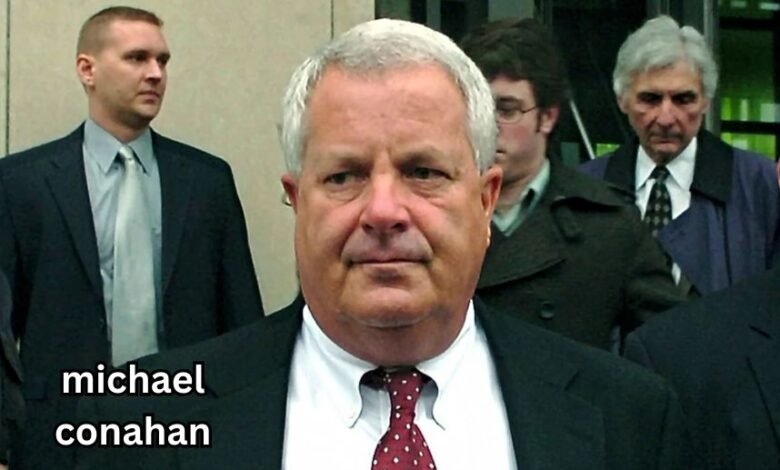
Michael Conahan’s name is forever tied to one of the most appalling cases of judicial corruption in U.S. history. Known for his role in the infamous “Kids for Cash” scandal, Conahan’s actions not only devastated the lives of hundreds of children but also shook the foundation of Pennsylvania’s legal system. From a respected judge to a convicted criminal, his story serves as a cautionary tale about the abuse of power and the profound consequences of corruption in the judicial system.
The Early Years of Michael Conahan
Born in Pennsylvania, Michael Conahan pursued a career in law and eventually rose to become a judge for the Court of Common Pleas in Luzerne County. By all accounts, Conahan was a model citizen. His ascent through the legal ranks was a result of years of hard work and dedication to his profession. Initially, he garnered respect in the legal community and was regarded as a competent and fair judge.
As with many public figures, Conahan’s story took an unexpected turn when he began to associate with questionable individuals, ultimately engaging in corrupt activities that would later define his legacy. Though his early years showed promise, the corruption that lay beneath the surface would lead him down a dark path.
The “Kids for Cash” Scandal: A Shocking Betrayal of Trust
The turning point in Michael Conahan’s career came when he became embroiled in the “Kids for Cash” scandal, a case that would rock the entire state of Pennsylvania and attract national attention. The scandal revolved around the illegal actions of Conahan and another judge, Mark Ciavarella, who, over the course of several years, accepted millions of dollars in bribes from private juvenile detention centers in exchange for sentencing minors to these facilities, often for minor or fabricated offenses.
What made this scandal particularly shocking was the sheer scale of the corruption. Hundreds of children were wrongfully incarcerated as a result of the judges’ decisions. Many of these young people were sentenced for relatively trivial offenses, and some had no prior criminal record. These minors were sent to privately run detention centers, where they often faced harsh conditions and suffered from a lack of adequate rehabilitation services.
The bribes Conahan received from the detention centers were substantial. In exchange for ensuring a steady flow of juveniles into these facilities, Conahan and Ciavarella pocketed millions of dollars in kickbacks. The judges were not just undermining the principles of justice—they were enriching themselves at the expense of vulnerable children.
The Corrupt System: How It Worked
The “Kids for Cash” scheme was sophisticated in its execution. Conahan and Ciavarella would work in tandem to send children to the private juvenile facilities. Often, these minors were given little to no due process, and many didn’t have adequate legal representation. The system relied on a steady stream of minors being sentenced to detention centers, with Conahan and his co-conspirator benefiting financially from the arrangement.
The true horror of the scheme lay in its long-term impact on the children involved. Many young people who were sentenced to these facilities ended up incarcerated for longer than their offenses warranted. Some even had their futures derailed by a criminal record that might have been avoided had they been given proper legal treatment. These children were deprived of opportunities for education, rehabilitation, and social reintegration—all for the financial gain of a few corrupt judges.
The Whistleblower and the Investigation
In 2008, the scandal finally began to unravel. A whistleblower, a former employee of one of the juvenile detention centers, alerted authorities to the illegal activities. This triggered a series of investigations that would ultimately expose the full extent of the corruption. Authorities uncovered evidence of extensive bribery, conspiracy, and misconduct on the part of Conahan and Ciavarella.
The scale of the scandal was staggering. It became clear that Conahan and Ciavarella had sentenced hundreds of minors to detention for reasons that were not only unjust but were also illegal. As the investigation progressed, both judges were indicted, and the public began to learn the full details of the scheme. What was once a shocking revelation quickly became a national scandal.
The Trial and Conviction of Michael Conahan
In 2009, Conahan and Ciavarella were arrested and charged with a range of serious offenses, including racketeering, fraud, conspiracy, and depriving minors of their constitutional rights. The trial was widely followed by the public and the media, as many waited to see how the case would unfold and what the outcome would be.
Conahan chose to plead guilty to one count of conspiracy, admitting his role in the scandal. The judge’s decision to enter a guilty plea was part of a plea deal that resulted in a prison sentence of 17 and a half years. The plea deal spared Conahan a lengthier trial but still resulted in a significant sentence. Given the magnitude of the crime and the devastation it caused, many felt that the sentence, while substantial, did not fully match the gravity of his actions.
The Long-Lasting Consequences of the Scandal
The consequences of the “Kids for Cash” scandal were far-reaching. For one, the scandal damaged the public’s trust in the judicial system in Luzerne County and beyond. People who had once believed in the fairness of the courts now questioned the integrity of the judges they once held in high regard. The scandal also led to widespread calls for reform in the juvenile justice system, particularly with regard to the use of private detention centers.
The impact on the children involved in the scandal was equally profound. Many of them faced lifelong challenges as a result of their wrongful incarceration. Some found it difficult to reintegrate into society, and their criminal records hindered their ability to pursue careers or education. The emotional trauma caused by their unjust detention also lingered long after they were released.
In the aftermath, Luzerne County was forced to undergo a series of reforms in its juvenile justice system. New policies were introduced to ensure that juveniles would no longer be sent to private detention centers under the same corrupt circumstances. Additionally, the case sparked a broader conversation about the privatization of the criminal justice system and the potential for abuse when profits are prioritized over justice.
Conclusion
Michael Conahan’s legacy is one of corruption, betrayal, and profound damage to the legal system. His actions, along with those of his co-conspirator Mark Ciavarella, not only ruined the lives of hundreds of children but also undermined public trust in the judicial system. While Conahan’s prison sentence was a step toward justice, it could never fully erase the damage caused by his actions.
As we reflect on the case of Michael Conahan, we must remain vigilant in ensuring that such corruption never takes hold of our institutions again. The importance of transparency, accountability, and fairness in the judicial system cannot be overstated. Conahan’s story is a reminder that those entrusted with power must always act in the best interests of the public, particularly the most vulnerable members of society.
For more discussions on high-profile cases like this one, and to stay updated on legal reforms and news, visit Techmetra, where we explore the intersection of technology, law, and current affairs.