The Deferred Action for Childhood Arrivals (DACA) program has been at the heart of heated debates surrounding U.S. immigration policy for years. It was a lifeline for thousands of undocumented immigrants who were brought to the U.S. as children. However, the Trump administration’s approach to DACA turned it into one of the most contentious issues in modern American politics. This article explores the significance of DACA, Donald Trump’s policies on the program, the legal battles that ensued, and the ongoing debate about the future of Dreamers in America.
Understanding Trump’s DACA : What It Means for Dreamers
DACA was introduced in 2012 by then-President Barack Obama as an executive action to protect young immigrants who came to the U.S. as children. These individuals, often referred to as “Dreamers,” were given temporary protection from deportation and the right to work legally in the United States. To qualify, applicants had to meet specific criteria, including being under 31 years old at the time of the program’s inception, arriving in the U.S. before the age of 16, and maintaining a clean criminal record.
DACA was never meant to be a permanent solution, but it offered Dreamers a degree of stability. It allowed them to build careers, attend schools, and contribute to the economy without the constant threat of deportation hanging over their heads. However, its temporary nature and lack of a pathway to citizenship kept it a point of contention in the broader debate about U.S. immigration reform.
Trump’s Campaign and Stance on DACA
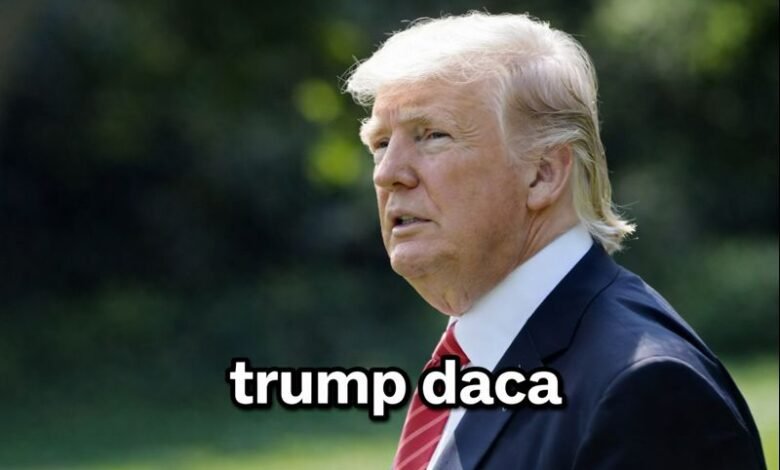
When Donald Trump ran for president in 2016, he promised to end DACA. He believed the program encouraged illegal immigration and bypassed Congress’s authority by granting legal status to undocumented individuals. Once in office, President Trump followed through on his campaign promise, signaling his intent to end the program.
In September 2017, the Trump administration announced the rescinding of DACA, giving Congress a six-month window to come up with a legislative solution. Trump’s decision was justified on the grounds that DACA was an overreach of executive power and that only Congress had the authority to create laws on immigration. While Trump’s position found support among certain factions of his base, it triggered widespread protests from immigrant rights groups, lawmakers, and even some business leaders who argued that Dreamers should not be punished for actions they had no control over.
Legal Challenges to Trump’s DACA Reversal
Trump’s move to dismantle DACA quickly faced legal challenges from various states and advocacy groups. These opponents argued that the administration’s decision violated due process protections and was done in a manner that lacked transparency. In response, courts issued temporary injunctions, blocking the Trump administration’s attempts to end DACA.
In 2020, the U.S. Supreme Court made a landmark ruling that temporarily upheld DACA, blocking Trump’s efforts to terminate it outright. The Court’s decision hinged on the fact that the administration failed to provide a sufficient explanation for ending the program. While the ruling did not make DACA permanent or address its legal standing, it allowed current recipients to continue renewing their protections. However, the Supreme Court’s ruling also highlighted the need for Congress to act and provide a permanent legislative solution for Dreamers.
Even with the Court’s decision, Trump continued to impose restrictions on DACA, limiting its scope. The administration stopped accepting new DACA applications, and the renewal period for DACA recipients was shortened from two years to one. These limitations added further uncertainty to the lives of Dreamers and underscored the temporary nature of their protections.
The Trump Administration’s Broader Immigration Policies
Trump’s stance on DACA was part of a larger, more aggressive immigration agenda. His administration implemented a range of policies designed to curtail both legal and illegal immigration, such as building a border wall with Mexico, imposing travel bans on citizens of several predominantly Muslim countries, and tightening asylum procedures.
The rescinding of DACA was consistent with Trump’s “America First” philosophy, which prioritized national security and a more restrictive approach to immigration. Trump argued that his policies would protect American jobs and reduce the number of immigrants entering the U.S. without proper documentation. Critics, however, saw these policies as punitive and harmful, particularly to vulnerable groups like Dreamers who were contributing positively to society.
Despite the legal battles surrounding DACA, Trump’s policies reflected the broader divisions in the country over immigration. While some applauded his tough stance, others saw it as a violation of American values of compassion and opportunity.
The Legacy of Trump’s DACA Policies and the Path Forward
When Joe Biden took office in 2021, one of his first executive actions was to reinstate protections for DACA recipients. Biden had long been a supporter of DACA, promising to restore the program and work toward a pathway to citizenship for Dreamers. However, the legal challenges to DACA continue, and the future of the program remains uncertain.
While Biden’s actions have provided temporary relief for Dreamers, Congress has yet to pass comprehensive immigration reform, leaving DACA in a state of legal limbo. The fight for a permanent solution for Dreamers continues, with many calling for a pathway to citizenship as part of broader immigration reform.
In many ways, Trump’s handling of DACA set the stage for ongoing debates about the direction of U.S. immigration policy. His actions prompted a national conversation about the rights of undocumented immigrants, the role of executive power, and the need for legislative action on immigration reform.
Conclusion: Trump’s DACA Impact and What Comes Next
Trump’s impact on DACA is a pivotal chapter in the ongoing story of U.S. immigration policy. His decision to rescind DACA and the subsequent legal battles left millions of Dreamers in a state of uncertainty, while also igniting fierce debates about the future of immigration in America. Although President Biden’s administration has worked to reverse Trump’s policies, the question of what to do with Dreamers remains unresolved.
As the country continues to grapple with these issues, it’s clear that DACA will remain at the center of the immigration debate for years to come. Whether a permanent solution emerges depends on the willingness of lawmakers to pass meaningful reform that addresses the needs of Dreamers and the broader immigration system.
For more insights on this topic and other political issues, visit my blog “Techmetra,” where I dive into the complexities of immigration, policy, and the challenges facing the U.S. today.
FAQs
1. What is DACA?
DACA (Deferred Action for Childhood Arrivals) is a U.S. government program that offers temporary protection from deportation and work permits to undocumented immigrants who came to the U.S. as children. The program, launched in 2012, allows recipients to live and work in the country without fear of deportation for renewable periods.
2. Why did Trump try to end DACA?
Trump believed that DACA was an unconstitutional executive order by President Obama and argued that only Congress could create laws regarding immigration. He also claimed that the program encouraged illegal immigration and that it was an overreach of executive power.
3. What happened after Trump attempted to end DACA?
The Trump administration’s efforts to end DACA faced legal challenges, and in 2020, the U.S. Supreme Court blocked the attempt. The Court ruled that the Trump administration’s termination of DACA was done improperly. However, the program’s future remains uncertain, and DACA recipients still face challenges.
4. Can new applications for DACA be submitted?
Under the Trump administration, no new DACA applications were accepted. Only individuals who had previously been granted DACA could renew their status. This restriction was one of the many limitations placed on the program during Trump’s presidency.
5. What is the current status of DACA?
DACA is still in effect but remains under legal scrutiny. The Biden administration has moved to protect DACA recipients, but there is no permanent solution yet. Congress has not passed comprehensive immigration reform, leaving Dreamers in a state of uncertainty.